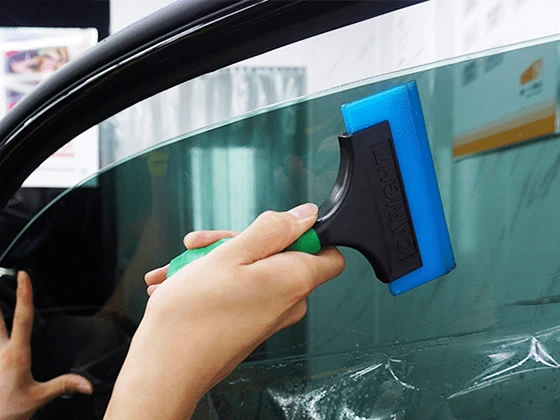
EV window tint is worth having because the cabin is more comfortable, not because it adds range. In an NREL study, a solar-control windshield increased range by only 0.7 to 1.5%. If someone sells you window film with a promise of dozens of extra kilometers, ask for the source.
In September 2026, VinFast reported delivering 23,624 electric cars in Vietnam, including 6,474 VF 3 units. That means tens of thousands more owners face the same question every month, usually right when the salesperson brings out the accessory package.
A small car like the VF 3 parked outdoors at noon has a steering wheel too hot to touch and scorching seats. Whether to install film is hardly the question anymore. The question is what to install and why.
What does the NREL figure really say?
The US National Renewable Energy Laboratory published a 2013 study on a solar-control PVB layer in windshields. Two results are worth remembering:
More than 40% of the heat entering a car comes through the windshield.
Solar-control glass reduced air conditioning power by about 4.0%, and EV range rose by 0.7 to 1.5% depending on the drive cycle.
To be fair, read it closely: this was an experiment on a windshield, not applied film, on a simulated car model in the US. Cars in Vietnam run in hotter, more humid conditions, with more traffic jams and a higher share of air conditioning use. Film across the whole car may differ. Even so, it shows the order of magnitude.
Try converting it; this is our own illustrative calculation: if a car goes 200 km on a charge, a 1% increase is 2 km. Even double that effect is only 4 km. That is smaller than the difference between two styles of using the accelerator.
The real value for EV owners lies elsewhere. When the car has been parked in the sun, the cabin cools faster, the driver does not have to run the air conditioning at full blast, and rear passengers do not get direct sun. That is about health and comfort. It needs no embellishment.
How does EV window tint differ from a gasoline car?
In terms of material, there is no mandatory difference. Three points deserve more attention.
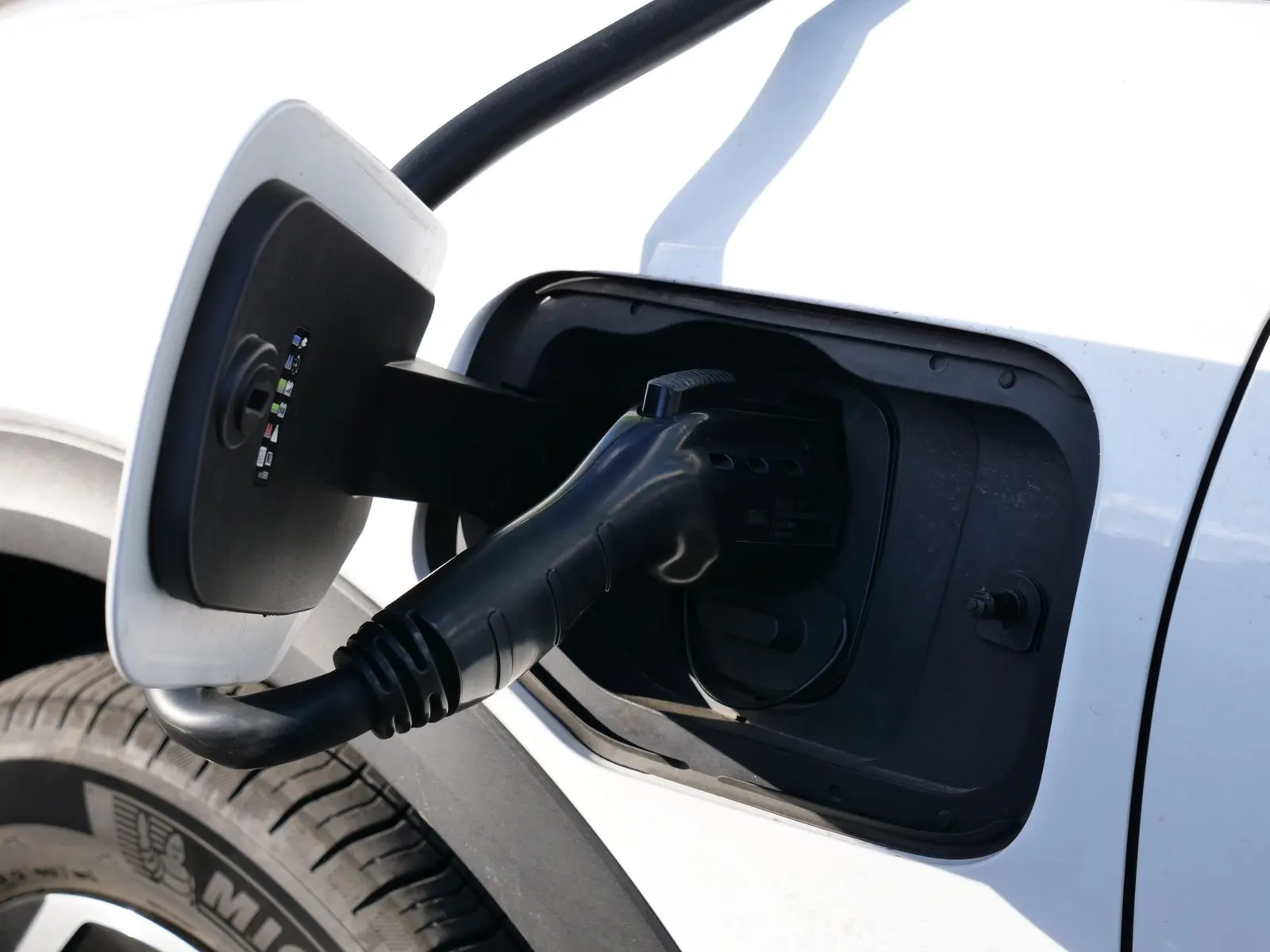
Choose non-metal film. EVs usually have many connected functions: remote control apps, software updates, navigation. That does not mean metal film will certainly cause faults, but the lower risk is worth favoring. A separate article on signal interference has a way to test it.
The windshield needs to stay light. Many EVs have driver assistance cameras behind the windshield. Ask the installer how this area is handled, and check the features after installation. Do not go dark on the windshield just to be cooler.
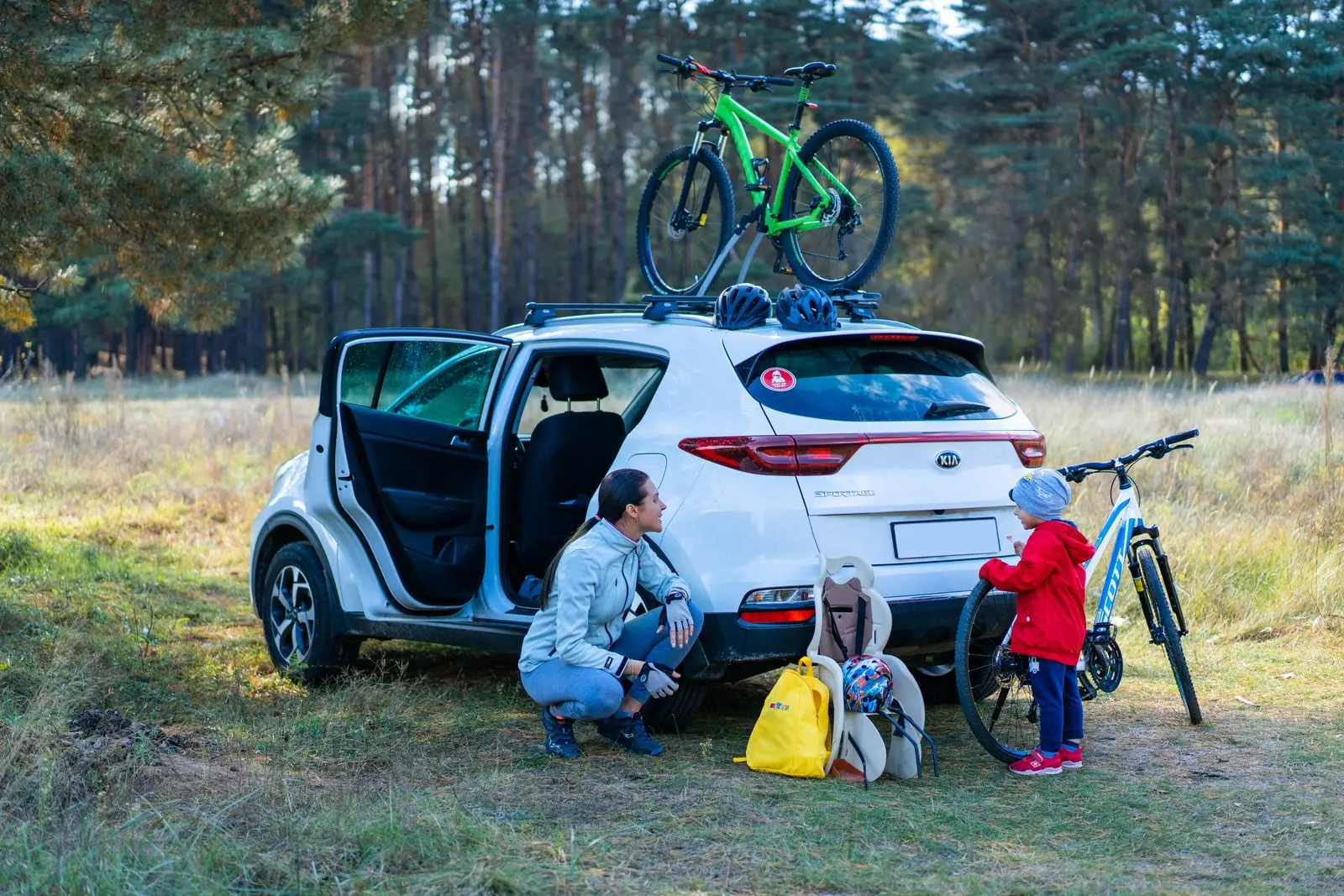
Do not forget the back seats. Small family cars often carry children in the back, where the slanting afternoon sun comes in very hard. The rear side windows deserve as much attention as the front row, and they can be darker in terms of driver visibility.
If the manufacturer gives you a film package, ask for the film code and exact visible light transmission (VLT) for each window, and have them written on the warranty card. "Free" does not mean you are not entitled to know what you have.
What about panoramic glass roofs?
This is where owners of many EV models tend to be disappointed. Báo Hà Tĩnh reported on a VF 9 with a panoramic sunroof whose cabin stayed hot despite having film, and whose owner had to buy a sunshade as well.
The reason is easy to see: the glass lies flat, faces the noon sun head-on, and sits right above the occupants' heads. We think it should be said plainly that film alone may not be enough for a glass area that large. Filming it to reduce sun and glare makes sense, but if you often park in the open and are sensitive to heat, plan on a roof sunshade too.
One more point of caution: roof glass on many cars already has a coating, and QCVN 32 (Vietnam's technical regulation on automotive safety glass) allows roof glass to have light transmission below 70%. An absorptive film applied to glass that already absorbs heavily can make the glass hotter. Ask the car manufacturer or dealer about the glass type before installing, and check whether it affects the warranty.
When should you not spend much?
Cars that do short trips and park in garages both at home and at work. A mainstream code is then enough for privacy and glare reduction.
Cars on a lease or in short-term commercial service also call for careful thought. Work out how long you will really keep the car, then set that beside the number of warranty years. In the VEGO system catalog, the STANDARD line has 5 years, IR Ceramic and DIAMOND have 8 years, and ROYAL has 5 to 10 years depending on the code.
To see the lines, visit the product catalog and automotive window film solutions.
Before you accept the accessory package
Ask for the film code of each window, the VLT, and who provides the warranty. If you want to compare with a setup for your exact model, send your details through the contact page or call 0924.802.802.