The best window tint for your car starts with how you use the car, not with a package name. A family car needs to think about the people in the back. A ride-hailing car needs durability. A long-distance car needs less sun fatigue. A car parked outdoors needs color-stable film and realistic expectations. Each use leads to a different setup, even on the same budget.
Owners run into this all the time. Two friends buy the same model, both ask "what tint is good?", and both get the same answer. One drives ride-hailing all day. The other parks underground and takes a few trips a week. The same answer is certainly wrong for at least one of them.
Picking the best window tint for your car by use
| How you use the car | What the film has to do | Suggested film type | Where to invest | Avoid |
|---|---|---|---|---|
| City driving, basement parking | Less glare, privacy | Carbon, color-stable dyed | Clean install, just enough | Upgrading to a package you will not use |
| Family | Shield rear passengers | Carbon or ceramic | Rear sides, front sides | A windshield that is too dark |
| Ride-hailing | Durable, less heat over long hours | Carbon or ceramic | Sun-facing glass, workmanship | Film that turns purple easily |
| Long distance | Less sun on arms, less glare | Ceramic on light glass | Windshield, front sides | Choosing by darkness |
| Outdoor parking | Color-stable, sun shielding | Ceramic, film with good reflection | All sun-facing glass | Expecting film to end the heat |
| Lots of electronics | Little signal interference | Non-metal films | Test devices after install | Untested metal film |
Relative assessment compiled from industry material, mostly from manufacturers and tint shops. Individual products vary in quality; this is not a brand ranking.
Many cars fall into two rows at once, for example a family car parked outdoors. In that case, take the "avoid" column from both, then pick whichever job for the film matters more.
This article is about usage. How light each window should be is covered in the article on window tint VLT. The table also does not say how much "cooler" any film is, because comparing coolness means comparing the TSER of two codes with the same VLT, and how to read that is in the article on window film specifications.
Family cars: think from the back seat
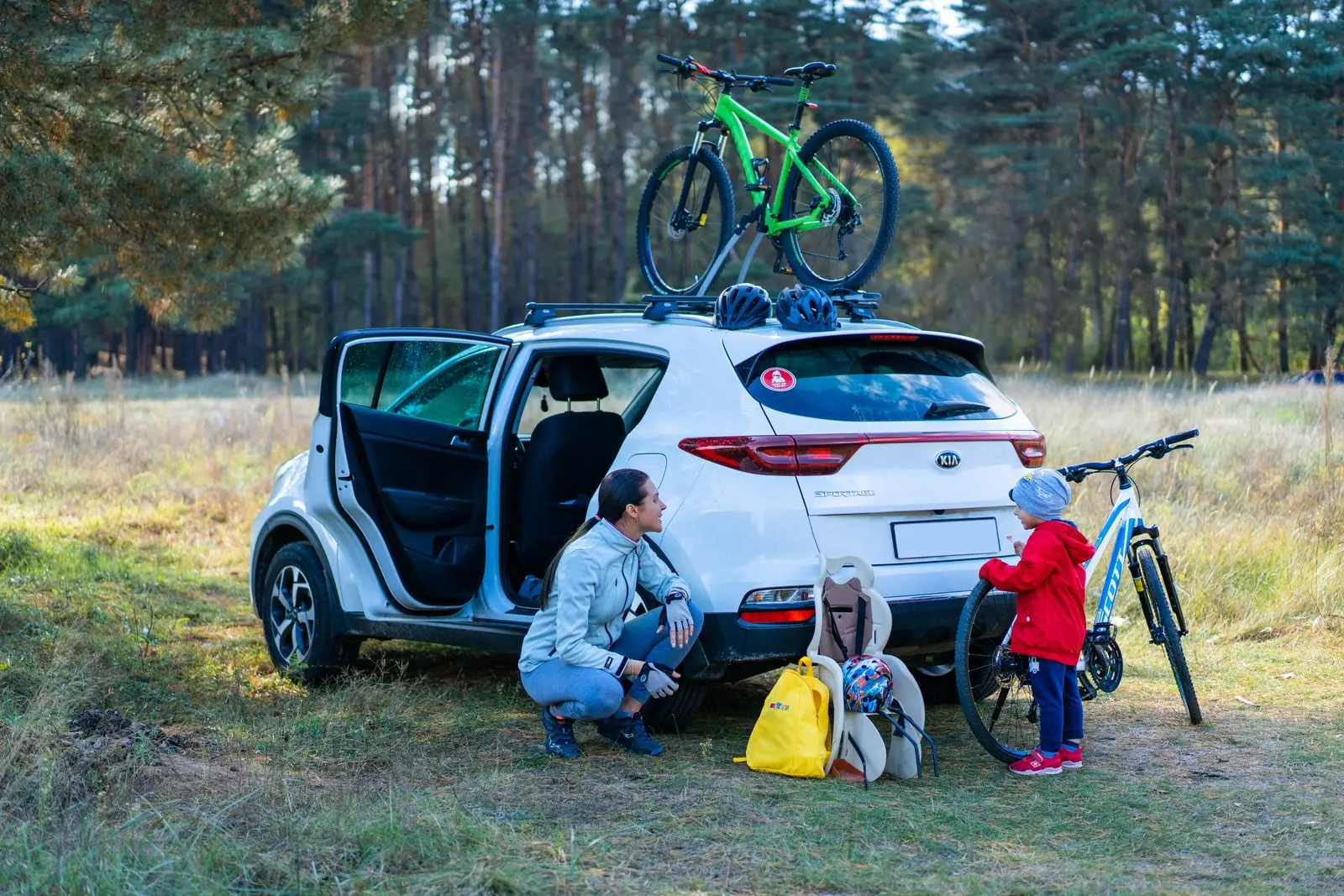
The mistake with a family car is choosing film by how the driver feels. The driver has air conditioning blowing straight in their face. The child in the back sits next to the side window, sun slanting onto their legs, and the cold air usually reaches the back seat later.
So the rear side windows on a family car deserve more attention than they usually get. And the rear sides are not glass the driver needs to look through constantly, so they can be darker than the front. On UV, a study of 34 cars showed that door glass blocks UVA noticeably worse than the windshield, and that cars vary a lot. The study measured the driver's side window, not the back seat, and was done in the US, so treat it as a hint, not a verdict on your car.
The windshield is the opposite. Family cars often drive home to the countryside at night, in the rain, into oncoming headlights. Dark film here is a trade-off that is not worth it. If an older family member also drives, be even more careful: a 2022 review of earlier work on drivers over 65 found they report more glare, recover from glare more slowly and read road signs at night less well.
A sensible setup: light windshield, moderate front sides, darker rear sides and rear windshield. If money is tight, do not cut the back seat first.
Ride-hailing cars: count driving hours, not purchase hours
A ride-hailing car differs from a private car in two ways. It spends far more hours in the sun, and every day it sits at the shop is a day without income.
The first point means the extra heat rejection actually gets used. The driver sits right against the glass for hours, arm and shoulder in direct sun. This is the kind of use that gets the full value out of good film. The second point means the cost of redoing film is the film plus the income lost while the car is off the road. Our reasoning: for a ride-hailing car, color stability and workmanship should weigh more than for a private car, because every repair costs both film and driving days.
Two things to avoid. Do not choose a dark windshield "to keep it cool", because the driver looks through it more hours than anyone, including after dark. And do not leave electronics for last: a ride-hailing car depends on navigation and the phone, so metal film needs testing first. Industry material notes that a metal layer can interfere with phones, ETC tags and GPS.
A car carrying passengers also has people in the back complaining about the heat. So the rear side windows should not be skipped the way many cars still do.
Long-distance cars: the sun sits still on one side of you
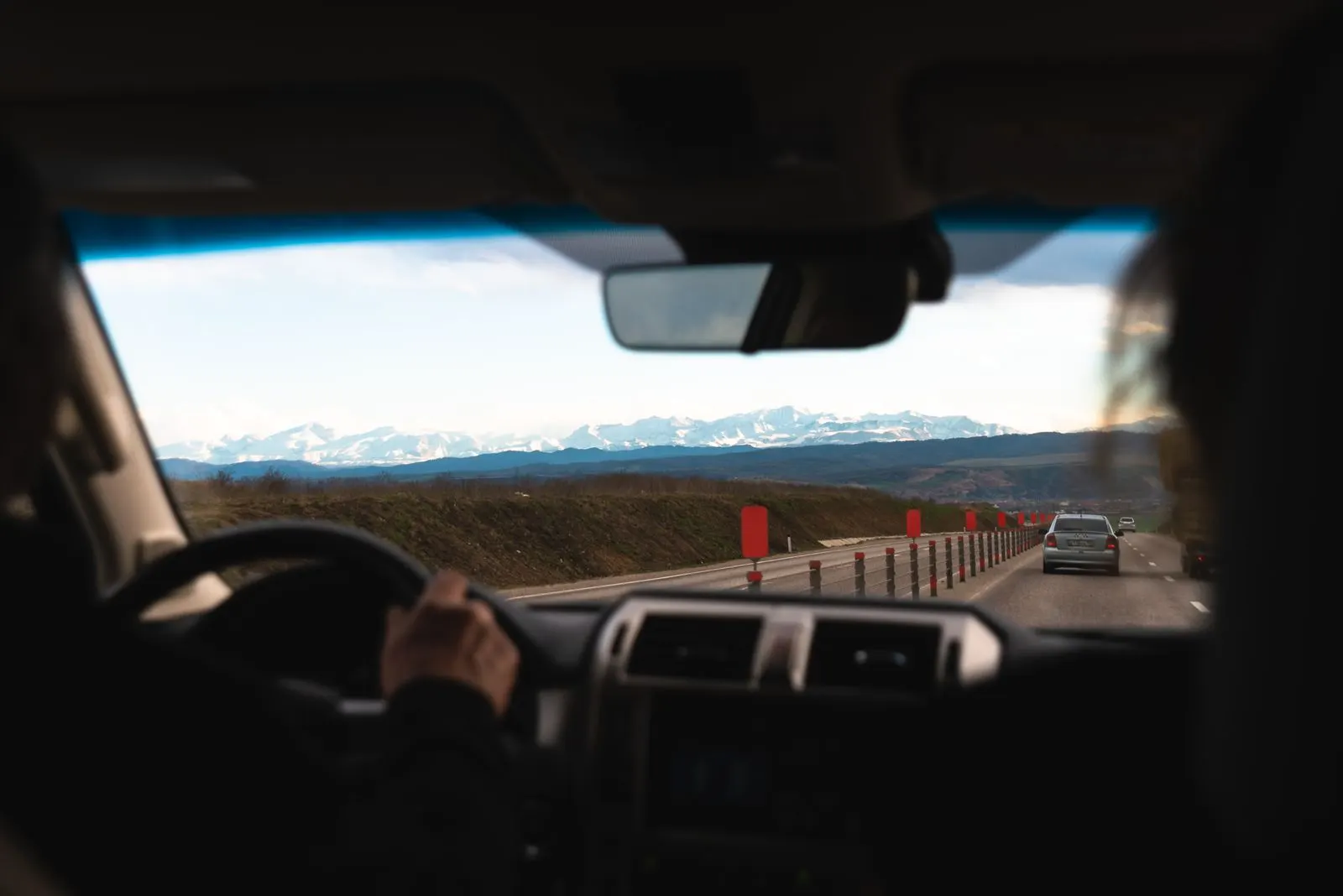
Long trips have their own kind of heat. In the city, the car keeps turning and the sun moves from side to side. On the expressway, the car holds one direction for hours, and the afternoon sun just sits on one arm.
So for long-distance cars we put the priority on the windshield and the two front side windows. A light film that still rejects heat is usually the main reason to consider ceramic: you need to see far and clearly, but you do not want the sun burning your arm for four hours. And because you also drive at dusk, do not let a dark windshield film tire your eyes once the sun goes down.
A note on expectations. How you feel on a long drive comes from several things at once: sun on skin, glare, the air conditioning level, leather seats. Film deals with the part related to sunlight through the glass, not all of it. The same goes for EVs on long trips: the meaningful benefit is a more comfortable cabin. See the article on EV window tint.
Cars parked outdoors: how far can film go?
This is the group most likely to be disappointed, because expectations usually run too high.
A 2018 study in Arizona, USA measured cars parked for an hour in the sun and in shade, and the cabin, dashboard, steering wheel and seat temperatures differed clearly. The study did not test window film, and Arizona's climate differs from Vietnam's, so it cannot tell you how many degrees film removes. It shows something else: parking in shade alone makes a big difference.
Our reasoning: for a car parked outdoors, the parking spot and a sunshade should come before any film upgrade. Both cost almost nothing. Film only handles the heat through the glass, while the roof and body keep soaking up heat all day. Cars with a large sunroof show this even more clearly: the press has reported owners who still felt hot after tinting, because the patch of glass right above their heads was so big.
Still, film has a job in this group. A car sitting in the sun for many hours needs color-stable film, so avoid types that turn purple easily. Film is what you actually feel when the car is moving with people inside. When you get in after the car has sat in the sun, opening all the doors for a few minutes to let the hot air out before turning on the air conditioning is still worth doing, however good the film is.
City driving, basement parking: do not buy what you will not use
The car leaves the home garage and goes to the office garage. Total time in the sun is very small. This is the group most likely to be oversold.
The realistic goals for this car are usually less glare, glass that feels less exposed, and a little coolness on midday trips. Carbon or color-stable dyed film, installed cleanly, is enough. Spending a lot on high heat rejection buys a capability that rarely gets a chance to work. The place not to cut is workmanship, because you still look through that glass every day.
If you plan to sell the car within a few years, stay moderate. If your job is about to change and you will drive between provinces a lot, redo the math using the long-distance row.
Next step
Circle one row in the table at the top, then write down three things: where the car parks, how many hours it drives in the sun, and who usually sits in the back. See reference setups under car window film solutions, or send those three lines to the VEGO team through the contact page.