Before you put up apartment window film, ask the management board and read the building's house rules, because the outside of your apartment is not yours alone to decide on. Vietnam's 2023 Housing Law covers painting and decorating the exterior, but we have not found any rule that deals with film specifically. So this article does not claim film is banned or allowed. It only lays out the steps that save you from peeling film off after you have already paid for it.
Picture a west-facing apartment that gets far too hot, so the owner has an installer put silver film across the whole balcony glass. From inside it looks great. But from the street, one window glares like a mirror among dozens of clear-glass units. If the management board speaks up at that point, the film is already on and the money is already spent.
What does the law say about apartment exteriors?
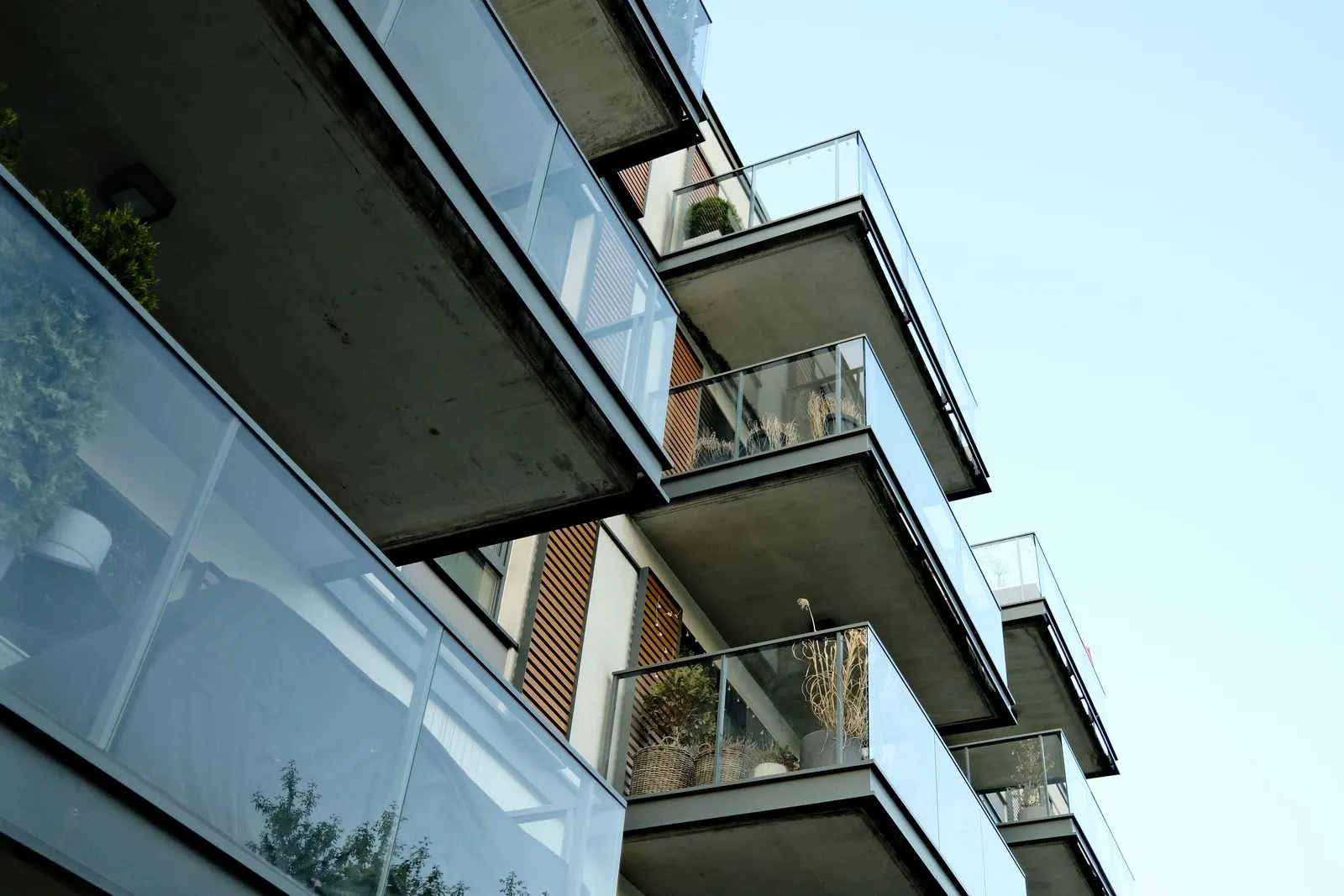
The 2023 Housing Law lists the acts prohibited in managing and using apartment buildings. One of them is painting or decorating the exterior of an apartment or building in a way that does not follow the rules on design and architecture.
The text does not mention the word "film". Whether film counts as exterior decoration is something we cannot conclude, because that is a matter of legal interpretation. Film on the inside of the glass, within the apartment, is also different from painting the outside. But the result seen from outside can be the same.
Rules can change, so check current local regulations and the house rules of your specific building. The house rules and the building's design documents are the papers closest to your case.
What should you do before installing apartment window film?
In our view, what decides it is not the name of the film type but one question: standing on the street looking up, does that window look different from the units around it? The four steps below revolve around that question.
Read the house rules. Look for sections on the exterior, glass, balconies and design changes. If you rent, ask the landlord too.
Ask the management board in writing. State the location, the film you plan to use, that it goes on the inside of the glass, and attach sample photos. Keep the reply.
Test one pane. Ask to put a sample on a less visible pane, then go down to the courtyard and photograph it in harsh sun and in the late afternoon. A photo from outside says more than any description.
Check the glass type. Many apartments use double glazing or coated glass. According to Pilkington's ATS-113 bulletin, solar control film on the room side of double glazing mostly cuts glare and does very little for heat, and should not go on a Low-E surface. Knowing this in advance saves you from spending money on a room that is barely cooler. It is also worth asking whether the glass is still under the developer's warranty.
Which film needs the most care?
| Film type | Facade seen from outside | Recommendation |
|---|---|---|
| Clear, low-reflectance film | Little change | Easier to discuss |
| Dark film | Changes glass color | Ask first, see a sample |
| Reflective, mirror film | Clearly different | Most caution |
| Frosted film | Changes clarity | Ask first, especially on the front facade |
The table is a relative assessment, not legal advice, and does not replace the building's house rules.
Reflective film has another problem too. At night with the lights on, people can still see in from outside, so you still need curtains. You change the look of the glass and only get privacy for half the day.
Curtains should also hang with a gap from the glass. Apartment balconies often have the floor slab above casting a horizontal shadow across the glass, and add curtains pressed against it and you get glass that heats unevenly. The cracking risk for each glass type is covered in our article on film for west-facing homes.
One more principle: apply film only on the inside, within your apartment. Corridor glass and common area glass are not your glass, even if they are right next to your door. NFRC also notes that film is usually applied to the room side of the glass.
Already installed and got a warning?
Read the management board's notice carefully and ask exactly which section of the house rules they are relying on. If it has to come off, call an installer rather than peeling it yourself, because adhesive can stay stuck to the glass, and a blade used the wrong way can scratch it. When you reinstall, use the exact sample that was approved.
Next step
Once you have the management board's go-ahead, send photos of the apartment and which way the glass faces to the VEGO team through the contact page. The film groups for buildings are on the architectural window film page.