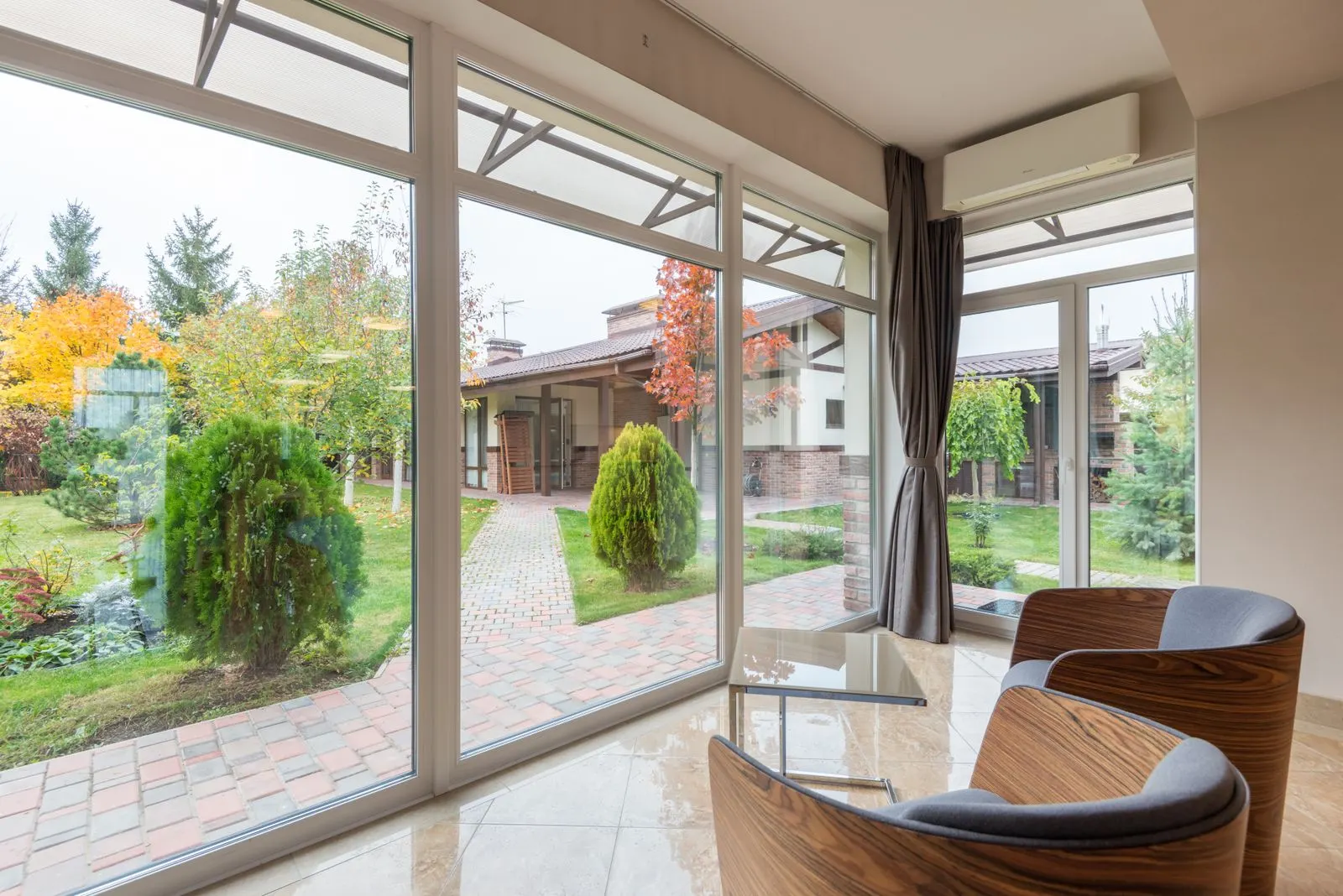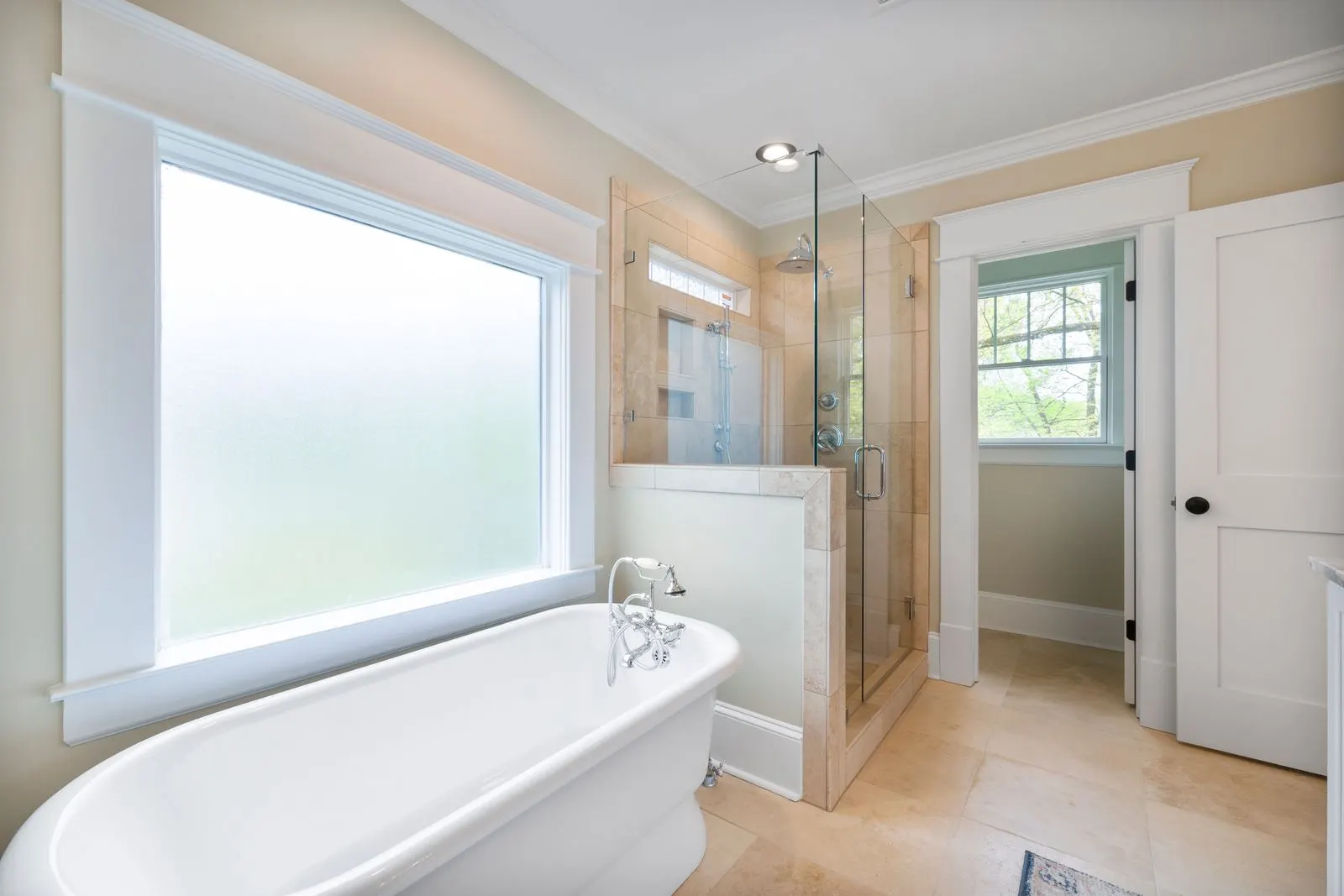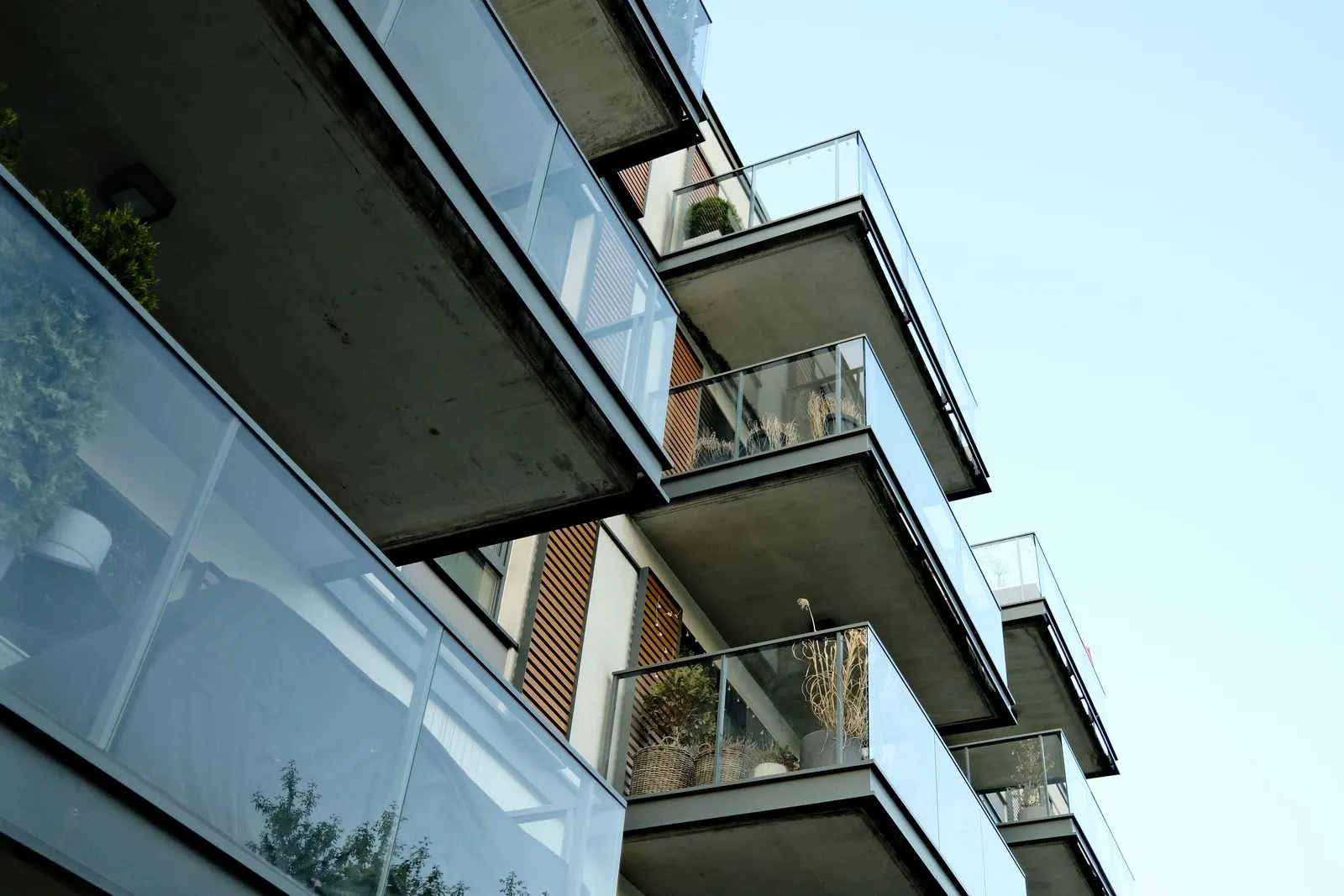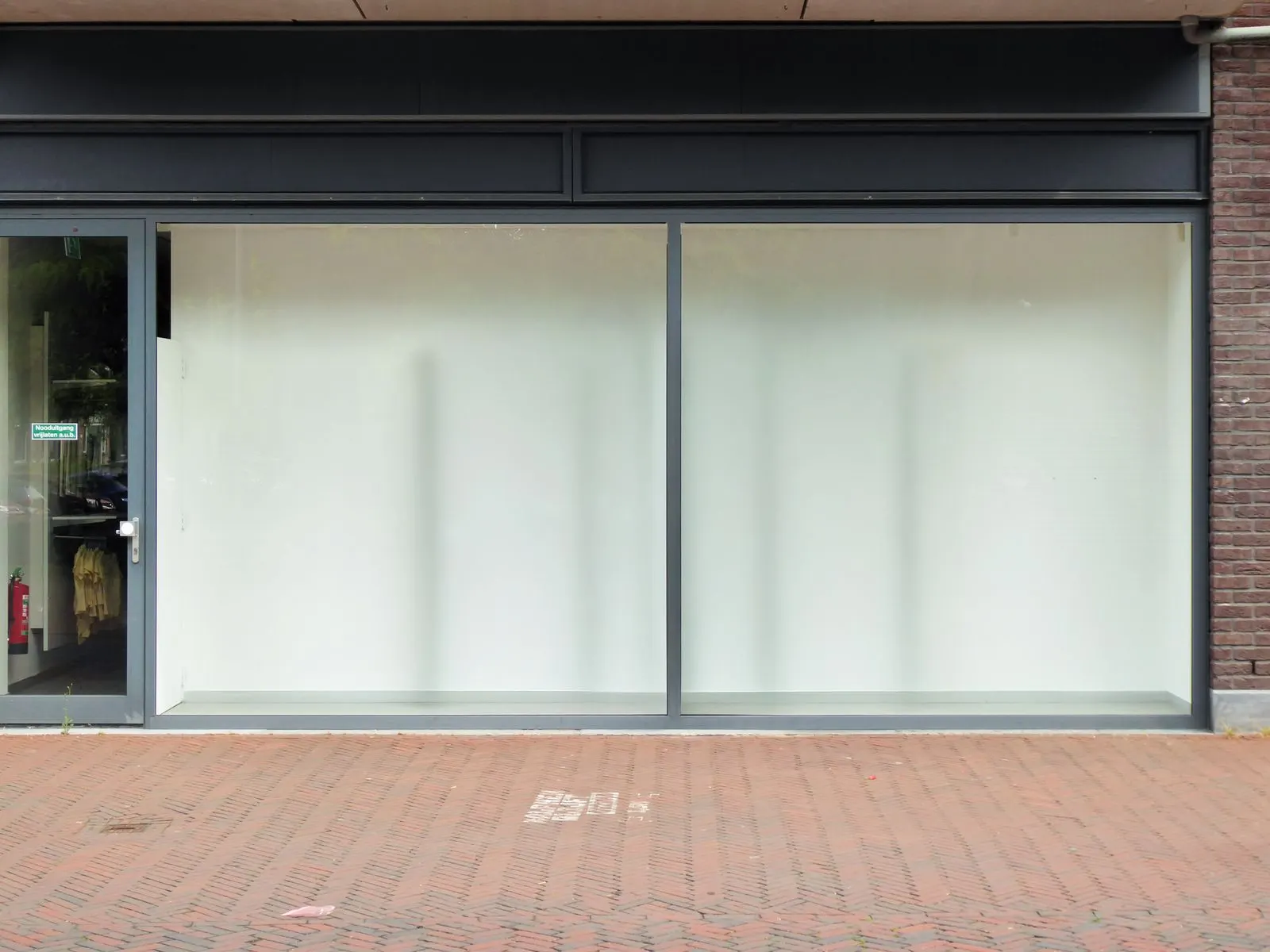
Office window film should be chosen zone by zone, not one product for the whole floor: desks next to the glass need less screen glare, meeting rooms need to block the view, and the lobby needs to stay bright. A shopfront is the opposite case. The priority is that customers can see the goods, so film that turns into a mirror by day is usually the wrong choice. Before you choose, know the glass type and ask the building management.
A familiar scene in a west-facing office: at 3 p.m., the team sitting by the glass pulls the blinds down so they can see their screens. The whole floor goes dim, the lights come on, the view outside disappears, and the blinds stay down for the rest of the week. Meanwhile on the ground floor, a shop owner puts up silver film to cut the sun, then discovers that people walking past only see their own reflection.
What problem is the office actually having?
Three problems tend to get lumped into one, when each needs a different fix.
Glare is about the eyes. A bright patch of sky behind a screen, or sun falling straight onto a desk, makes it hard to work there even when the room temperature is fine.
Heat near the glass is about the people sitting by the window. The air conditioning may be enough for the floor, but the row of seats next to the window still feels hot down one side, because the sun reaches them and the glass itself warms up. A window selection guide funded by the US Department of Energy shows that glass absorbing a lot of heat can make summer comfort worse, because the glass surface gets hotter. That research is about homes in the US, but the mechanism is the same.
View is about privacy: meeting rooms, the director's office, HR, accounting.
One film rarely handles all three well. Glare and heat call for solar control film. Blocking the view calls for frosted film. So a quote for "one film across the board" is a sign nobody has surveyed the space.
How do you choose office window film zone by zone?
Read the table by row, matching each zone on your floor plan.
| Zone | Main problem | Direction | Avoid |
|---|---|---|---|
| Desks by the glass | Glare, heat down one side | Medium-light solar control film | Film so dark the room needs lights |
| Internal meeting room partition | Blocking the view | Frosted film, eye-level frosted band | One-way film |
| Meeting room on the exterior wall | Glare on the projector screen | Solar film plus roller blinds | Thin curtains alone |
| Reception lobby | Staying bright, branding | Clear film, logo decal | Strong mirror finish |
| HR, accounting | Privacy | Frosted film on partitions, blinds on exterior windows | Relying on reflective film |
| Shopfront | Goods visible, less sun | Light, low-reflectance film | Silver film, dark film |
| Glass entrance doors | Safety, visibility | Eye-level decal band | Frosting that blocks the view through the door |
The table is a relative assessment pulled together from industry documents and how each film type works. Every building and every product will differ.
This article gives no glare reduction figures: all the numbers we could find come from tint shops, with no independent measurement. To compare two films, put up samples on site, sit in the actual chair, at the actual time the sun comes in.
Why is film worth more consideration than blinds in an office?
Blinds have a weakness people rarely mention. Efficient Windows Collaborative's guide for hot climates points out that blinds need someone to operate them regularly, and when they are down you lose light and view. The guide is about homes, but in an office it is even clearer: nobody's job is to roll the blinds up when the sun moves on.
That leads to our view: the value of film in an office is that nobody has to remember to do anything. Blinds only work when they are down, and they usually get left down. Film works all the time, the view stays and most of the light stays. In exchange, it takes away light even in hours when you do not need it, so a film that is too dark on the north side is pure loss.
That does not mean getting rid of blinds. You still need them for the hours of direct sun. The two work better together, with one caveat: hang the blinds with a gap from filmed glass so they do not trap heat against it.
Meeting rooms: why does one-way film not work?
This is a common mistake with internal glass partitions. The one-way principle depends entirely on a difference in brightness, and light passes equally both ways. Both sides of a partition in the same office are usually lit about the same, so reflective film does not create privacy. You just get a dim gray pane, where you see the people inside and the reflection outside at the same time.
Frosted film solves this because it diffuses light, regardless of which side is brighter. You usually do not need to frost the whole panel. A frosted band from seated eye level to above standing head height hides the people in the room, while the part above keeps light coming through from the windows into the core of the floor. Staff in the corridor can still see the room is in use, which saves knocking on the wrong door.
For sensitive information, remember that frosted film does not block sound. A large screen close to the partition may be faintly readable if the film is thin or the band is not tall enough. Test with a sample first.
Internal partitions get no direct sun, so thermal cracking is usually less of a worry, but exterior glass is another matter.
Office glass: what to check first?
Office buildings usually use double glazing or curtain walls. A bulletin from an international glass maker states clearly that film on the inside of double glazing only cuts glare and does very little for heat. For a home, where the owner wants a cooler room, that is usually bad news.
For an office, the story can be different. If your real problem is screen glare, film on the inside is doing exactly the job it can do. Same technical limitation, but whether the result is acceptable depends on the goal you set. Just do not write "reduces heat" in the proposal you send to the boss.
The bulletin also warns of risks to double glazing made from annealed glass and to the edge seals, and says never to apply film to a Low-E surface on the innermost face. The analysis of glass types, shadows and blinds is in our article on window film for west-facing windows. Office buildings add two points of their own.
The facade falls under common management. A rented office needs to ask the building management, read the lease, and check current local regulations. Film that changes the color of the facade may not be accepted. The building's glass warranty may also be affected, and the owner will want to see it in writing, not a promise.
Plan for removing the film when you hand the space back, too. Film that has been on a long time takes work to remove and can leave adhesive behind. This belongs in the quote or the contract.
Shopfronts: customers have to see the goods
A shopfront has a goal an office does not: selling to people walking by. The very mechanism that makes one-way film useful at home works against you here. In daytime it is brighter outside than inside the shop, so the reflective layer turns the glass into a mirror, and passers-by see themselves and the traffic, not the shelves.
So a shopfront should favor light, low-reflectance film. To be sure, put a sample on one pane and go stand across the street in the sun to look at it, not from inside the shop. Check in the evening too: when the shop lights are on, the glass will naturally look clear again.
Fading of displayed goods is a common reason given. Efficient Windows Collaborative notes that film reflects most UV, which helps reduce fading of furnishings. Keep that in proportion: UV is only one cause, and visible light and heat also fade goods. Sensitive items such as dark fabrics and paper packaging still need to be rotated out of the sun. Film only slows the process.
Brand decals are a different tool with a different job. Decals communicate: name, opening hours, logo. The practical rule is to keep the customer's eye level for the goods, and put decals on the top band or the bottom band of the glass. There are two technical points to ask about: on sunlit glass, a dark decal also absorbs heat, and partial coverage creates hot and cool zones, so annealed glass needs checking first. The EWFA document puts annealed glass in the group that always needs a compatibility assessment.
On large clear glass doors, an eye-level marking band stops people walking into the glass. It is a cheap detail, and also a way to show the brand.
When should you not apply film?
If the shopfront faces north, gets no direct sun and the goods do not fade, the cost may not be worth it. If the building is about to renovate its facade, wait. If the shop is on a short lease, a full-pane film may not earn its keep before it has to come off. And if the problem is a weak air conditioner or a door that is always open, film will not fix it.
The first thing to do
Walk the floor when the sun is at its harshest and note what is bothering each zone: glare, heat or being seen. Check that against the numbers in our guide to window film specifications and the approach on the architectural window film page, then send a floor plan through the contact page if you want VEGO WINDOWFILM's input on each zone.