DIY window film is a doable job when the pane is small and the film is a frosted or static cling type used for privacy. With solar control film on double glazing, tinted glass or large panes, stop: the hard part is not the application, it is knowing whether that film suits that glass.
A roll of film bought online, a how-to video that makes it look easy, and it is just one window, so why call an installer? Here is how it often goes: the film creases, dust gets trapped underneath, the edges are cut crooked. Annoying, but that is the cheap end of the risk.
The real cost of getting it wrong
Bubbles and creases only cost you a roll of film. The wrong type of film can cost you the whole pane.
Solar control film absorbs heat and makes the glass hotter. Efficient Windows Collaborative notes that this can stress the glass or the seals of double glazing, and advises checking whether self-installation meets the warranty requirements. One international film manufacturer goes further: the wrong film can break the glass, damage the seals of multi-pane windows and force you to replace the whole window. They also say most DIY installers have neither the experience nor the information to pick the right film for the glass they have.
Warranty is the second cost. According to the same manufacturer, DIY buyers are usually only refunded for the film if it is defective. The glass, if it has a warranty, may also be affected: Pilkington states that it does not provide warranty coverage where aftermarket film is applied to its products.
Keep in mind that a film manufacturer's documents benefit when you hire an installer. But the logic about glass types is the same in what EWFA and the glass manufacturers say.
When does DIY window film make sense?
Here is an easy trap: "ordinary glass" sounds safe to do yourself, yet ordinary annealed glass is exactly the type that is sensitive to thermal stress. So the question is not just what glass, but what glass plus what film. Here is how we would sort it.
| Situation | DIY? | Why |
|---|---|---|
| Small pane, frosted privacy film, single glazing | Yes | Low risk, peel it off if wrong |
| Static cling film, dry location | Yes | No adhesive, easy to remove |
| Large pane, sliding door, floor-length glass | Hire someone | The film sheet is hard to handle |
| Dark solar film on annealed glass | Ask first | Can crack the glass |
| Double glazing, Low-E glass | Hire someone | Risk to the glass and seals |
| Tinted glass, factory-coated glass | Hire someone | Hard to identify yourself |
| Safety film, frame anchoring | Hire someone | Performance depends on installation |
The table is a relative assessment and does not replace identifying the actual glass type.
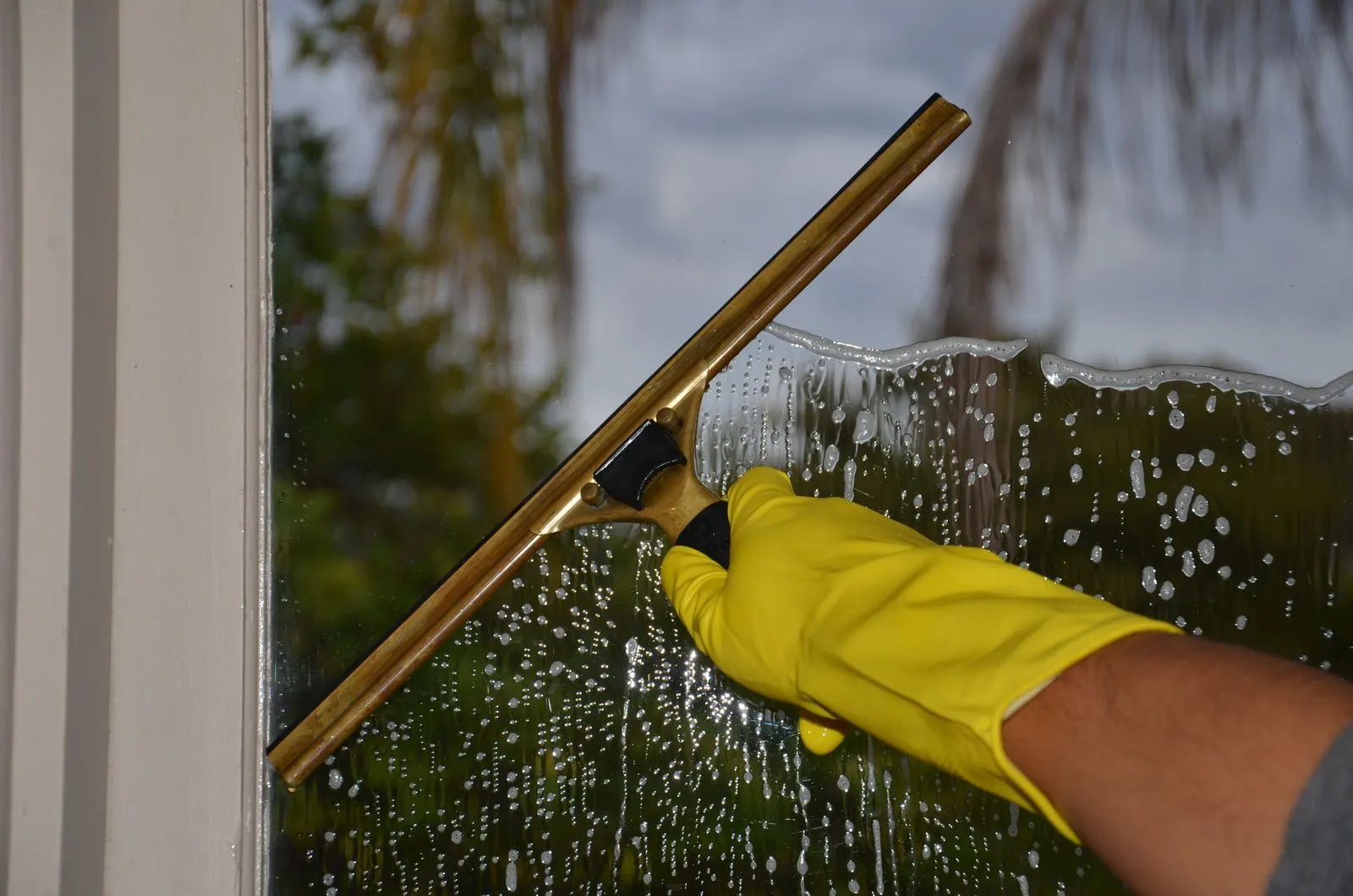
Static cling film holds on by static, with no adhesive: you just clean the glass, spray water, apply from the top down and squeegee out the bubbles, according to one film seller. The trade-off is that it is less durable and peels easily in damp places. That makes it better for rentals and temporary privacy than as a long-term solution.
If you do it yourself, do not skip these three things
Clean like you are about to operate. One installation guide puts it bluntly: one speck of dust is one bubble. Clean the corners and the frame too, because a few drops of water can drag dust off the frame and back onto the glass.
Work in pairs on large panes. One person holds the film, the other squeegees. The film is thin, floppy and sticks to itself easily.
Do the smallest pane first. Mistakes there cost the least, and you learn how to position the film and how much squeegee pressure to use. That is our suggestion.
Hold on to one rule: solar film meant for a large west-facing pane is not a weekend DIY job. In that case, read our article on film for west-facing homes first.
Something looks off after you finish?
Small water bubbles and hazy streaks usually need time to dry out. Each guide gives a different time frame, so follow the instructions that came with the roll. A bubble with a speck of dust in the middle will not go away on its own.
If you see a crack running in from the edge of the glass, do not keep going. Pull the curtains away from the glass and have a professional look at it. Whatever the film cost, it is cheaper than a pane that keeps cracking.
Next step
Not sure what glass you have? Take photos of a corner and an edge of the glass and send them to the VEGO team through the contact page. The full survey process is on the architectural window film page.