Is home window film worth it? Yes, when a room gets hot and glary because sun shines straight through the glass and you live somewhere that needs cooling for many months of the year. Do not expect much if the room is hot because of the roof or the walls, or stays stuffy after the sun has gone, because film blocks sun, it does not insulate in any meaningful way. If your house has double glazing or annealed glass with a factory solar control coating, look closely before you decide.
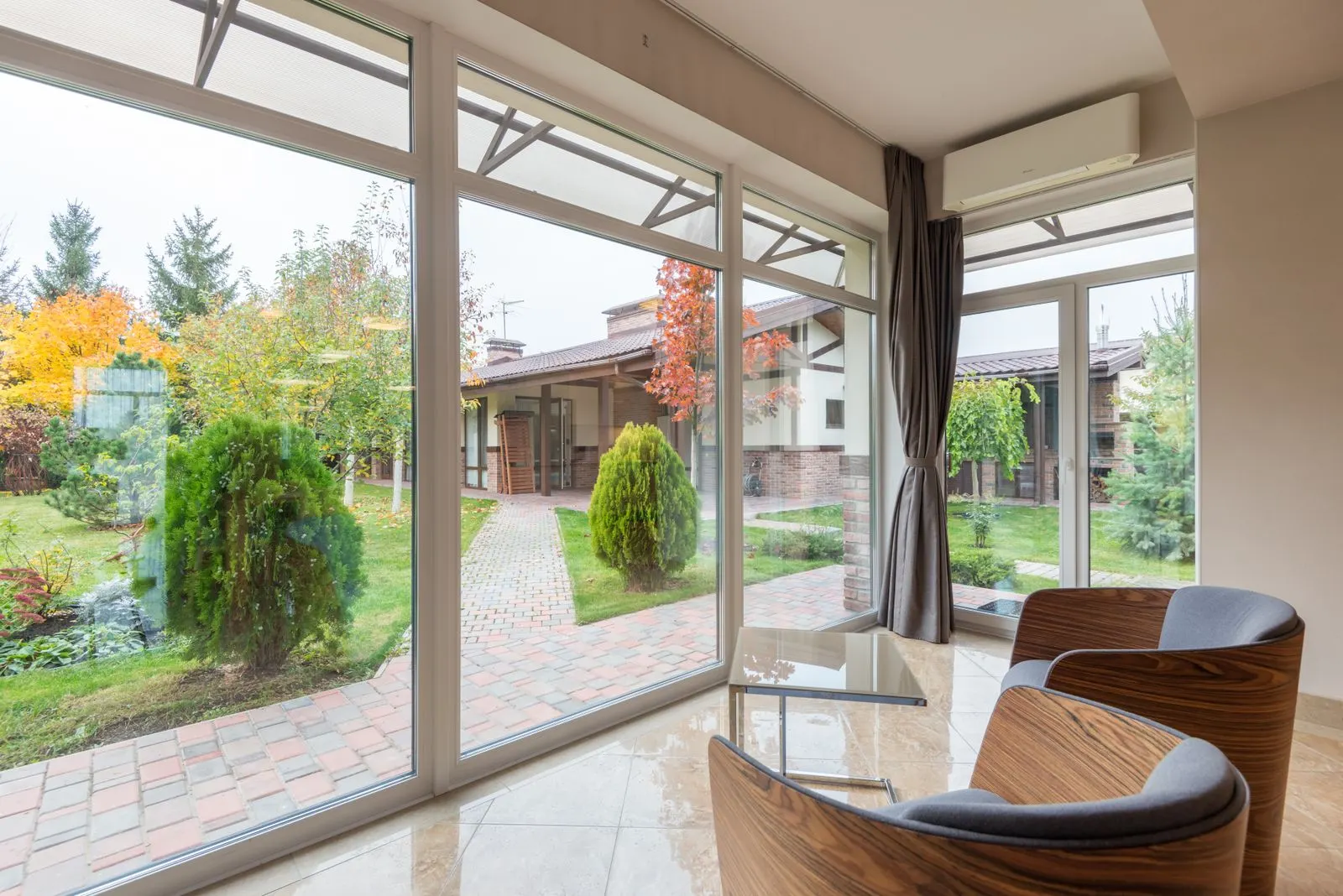
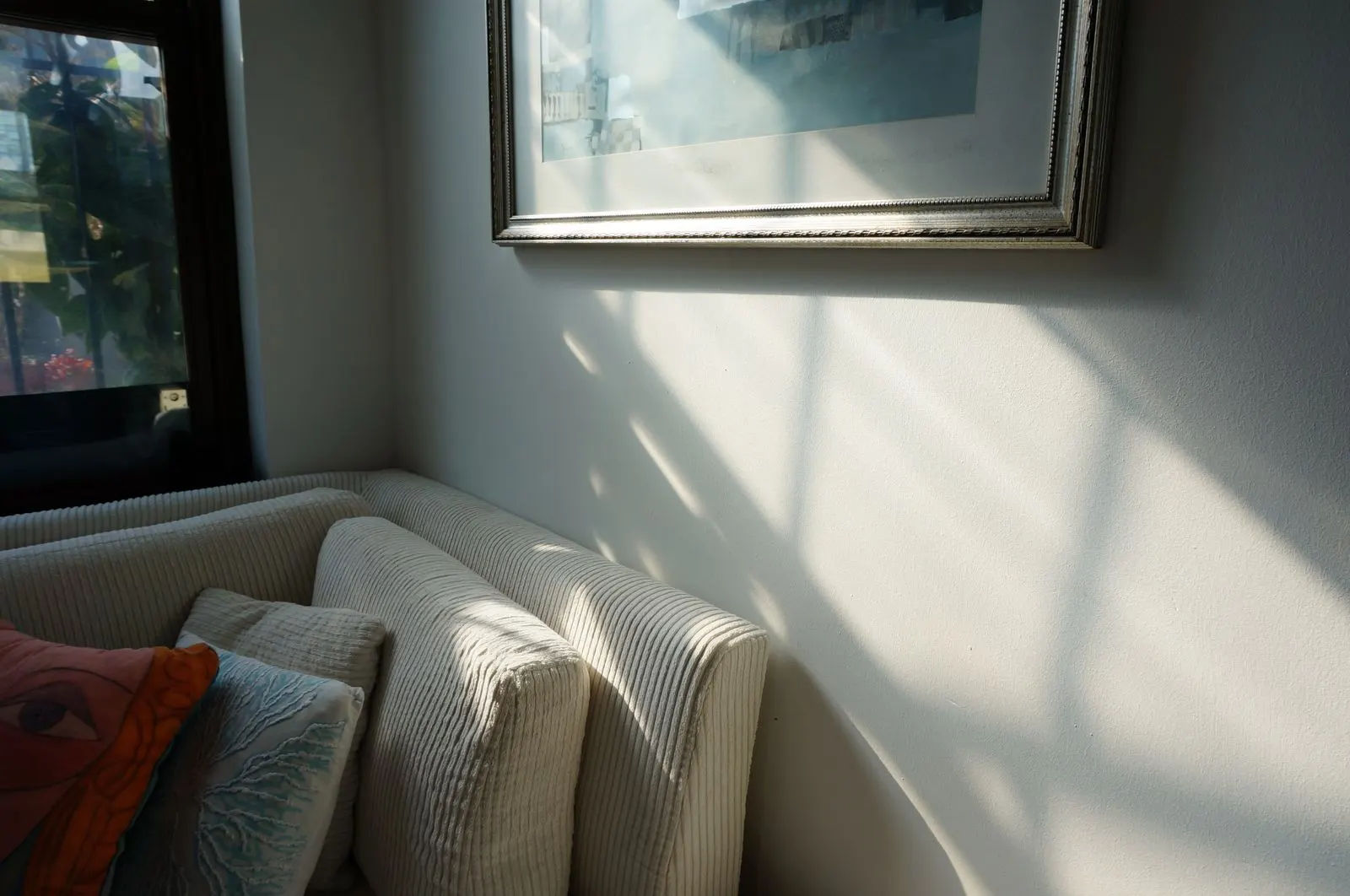
Three in the afternoon. A patch of sun creeps from the windowsill to the middle of the living room floor. The TV glares, the sofa is hot, and whoever sits near the glass gets a burning feeling on their skin and has to draw the curtains in broad daylight. Film helps with this situation, and helps quite clearly.
The top-floor room under the roof, with a ceiling that stays baking hot late into the night, is different. A film seller will still pitch it, but film is not the main answer there.
What does window film actually do?
According to the Efficient Windows Collaborative page on window film, solar control film reduces solar heat entering the home by reflecting and absorbing it. The page places film in the group suited to climates that mostly need cooling, and also notes that film blocks most UV, which helps reduce fading of furnishings. Because more than half of solar energy lies outside what the eye can see, a light film can still block a lot of heat.
Where buyers often get confused is the word "insulation". The same source says it plainly: film does not provide significant insulating benefit. On a window label these are two different numbers. SHGC describes solar heat coming in, while U-factor describes heat moving through the glass because of a temperature difference. Film mainly does the first.
In everyday terms: film deals with the sun, not with hot air. At ten at night, with the air still hot outside and the air conditioning on inside, filmed and unfilmed glass are almost the same story. This is our reasoning from how the two ratings are defined, but it explains why many people find their afternoons far more comfortable after filming while their evenings stay exactly the same.
When is home window film worth it?
The first condition is whether sun reaches the glass, and for how long. The table below gathers the common situations.
| Situation | Worth filming? | Why |
|---|---|---|
| West-facing glass, afternoon sun reaches deep inside | Worth considering | Exactly what film is for |
| Home office with screen glare | Worth considering | Clearly reduces glare |
| Glass fully shaded by an awning | Little need | Sun does not reach the glass |
| Top floor, ceiling hot late into the night | Not yet | Heat comes in through the roof |
| North-facing room, short of light | Not yet | Loses light, little benefit |
| Double glazing, hoping for a big heat reduction | Ask carefully first | Film on the inside face mainly cuts glare |
The table is a relative assessment following the logic of industry documents, not a measurement for any specific home.
Climate matters too. Southern Vietnam is hot almost all year, so the math is fairly simple. The North is different: film also blocks winter sun, so any room that the sun warms in the cold season loses that warmth. NFRC also flags the risk of stress on the glass, especially on sunny but cold days. From that we infer that the dry, sunny days at the end of winter in northern Vietnam deserve more attention than people think, especially with ordinary glass. This is our inference; the documents are not written for Vietnam.
How to test before you spend money
This is the part the flyer leaves out, because it might talk you out of buying.
Pick a clearly sunny day. Note what time the sun hits each pane and how far onto the floor it reaches. Then shade the outside for one session with a tarp or a temporary blind. Cover the whole pane, not half of it, and only as a temporary measure.
Then compare the two afternoons. If the room is much more comfortable once shaded, the main heat source is sun through the glass, and film has a chance to help. If it is just as stuffy, heat is getting in some other way, and money spent on film will not change much. This test is our suggestion, not a measurement, but it helps separate two problems that are easy to lump together by eye.
Do one more simple thing: stand one step from the glass in harsh sun, then stand behind the curtain. The burning feeling on your skin near the glass usually comes from direct sun. In our reasoning, film affects that feeling more clearly than it affects the overall temperature of the room.
When should you not install it?
There are five cases where you should stop, or at least ask carefully.
Single-pane annealed glass that already has a solar control coating. Pilkington's ATS-113 bulletin advises against applying film to this type.
Double glazing with a Low-E coating on an inner face. The bulletin warns against applying film over a Low-E surface, and says solar control film on the room side of double glazing mainly reduces glare and does very little for heat.
Glass still under the manufacturer's warranty. Pilkington does not warrant its products once aftermarket film has been applied. NFRC also advises checking your window warranty before filming.
Glass with chipped edges, glass where a fixed shadow covers half the pane, glass with heavy curtains pressed against it. These make the pane heat unevenly; the details are in our article on film for west-facing windows.
A room already short of light, or a situation where what you really want is to keep heat in at night. Film is the wrong tool there.
What to do before you install film
The sensible order is to stop the sun further out first and deal with the glass after. Energy blocked before it reaches the glass never gets a chance to enter the room, and it does not heat the glass either.
First, see whether you can shade the outside: an awning, louvers, an outdoor blind, trees. Many apartments cannot do this, and that is exactly when film earns its place. Next, hang indoor curtains a little away from the glass so they do not trap heat against it. After that, check gaps around doors and ceilings and sun-facing walls, because film does nothing for those.
Only then do you get to the glass. Identify the glass type of each pane, because one house can have tempered glass in its doors and annealed glass in its windows. NFRC advises having a qualified person check the location, glass type and window condition before choosing a film. If the company quoting you does not ask about these things, treat that as a signal.
Once you have decided, what should you ask for?
Ask for SHGC and VT, or TSER and VLT, for the exact film you plan to install. NFRC notes that film can be rated for SHGC and VT, and certified films are listed in its directory. How to compare two films is covered in our overview of window film specifications: only compare heat rejection between films with the same light level.
Do not choose by darkness. The lightest film that still fixes the glare is usually a good balance, because you live with that room in the months that are not hot too. The glazing survey process is on the architectural film page.
Next step
Note the times sun reaches each pane, take a photo that shows the whole window frame, and send it to the VEGO team through the contact page. That is enough information to know where film is worth it, and where it is not needed.