Window film thickness matters for impact strength and for holding broken glass together, not for heat rejection. The part that deals with sunlight is a set of very thin functional layers inside, so a thicker film is not a cooler film. If you want to know how cool a film is, read the TSER. Thickness is only worth paying for when you need safety film or PPF.
There is a line you hear a lot at the shop: "This one's thicker, so it blocks more heat," along with a pinch of the sample between two fingers. Pinch it and yes, it feels thick. But that feeling does not measure the thing you are trying to buy.
How is window film thickness measured?
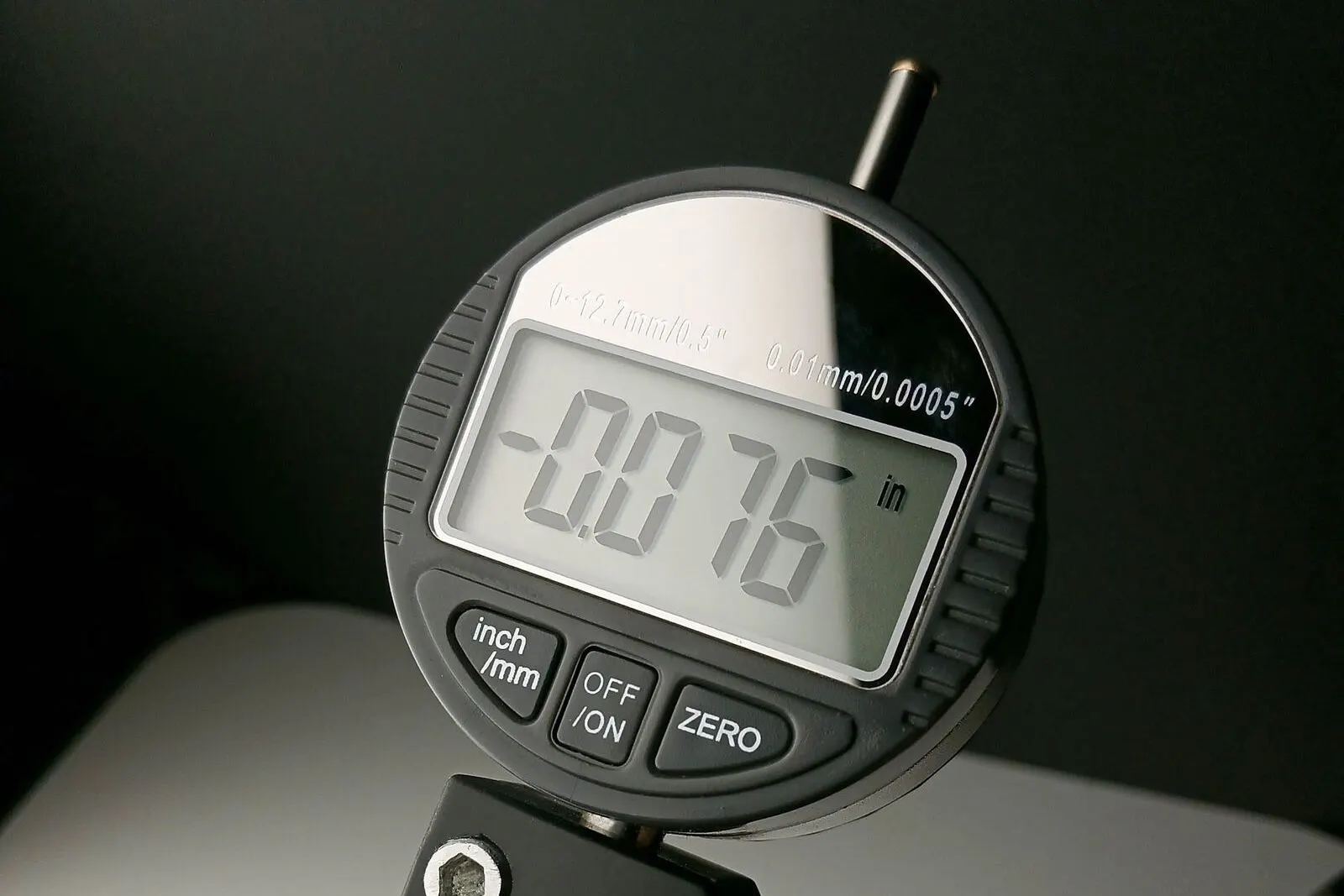
You will meet two units: mil and micrometer. A mil is not a millimeter, and that is where many people get confused. One mil is a thousandth of an inch, or 25.4 µm. A 4 mil film is only about 0.1 mm thick.
| Mil | µm | Typically found in |
|---|---|---|
| under 2 | under 50 | Ordinary tint film |
| 4 | about 102 | Common security film grade |
| 8 | about 203 | Common security film grade |
| about 16 | about 400 | Thick security film |
| over 20 | over 525 | Thick safety film, as high as the references go |
The mil and µm columns are conversions; the last column is compiled from industry material and an overview of window film, and is a reference range, not a standard. That overview says ordinary tint film is under 50 µm, while security film can reach 400 µm.
The table makes one thing obvious right away: car tint and safety film live in different worlds on thickness. A difference of a fraction of a mil between two ordinary tint films is not something worth worrying about.
What layers are in a sheet of film?
Cut a film in cross-section and you will see it is not one solid block. Depending on the type, a film usually has:
- A PET base layer, clear polyester, which gives it strength and makes up most of the thickness.
- A functional layer: dye, carbon, metal, oxide or ceramic depending on the technology.
- Adhesive, usually a pressure-sensitive acrylic, which touches the glass.
- A scratch-resistant hard coat on the side facing in.
- A release liner, peeled off during installation.
The functional layer is the interesting part. In sputtered film, the coating is many times thinner than the base, so thin that it adds almost nothing to the total thickness. One international brand's spec describes an entire thin film made of hundreds of stacked polyester layers. A film like that still counts as thin.
That is why thickness says nothing about heat. Heat rejection is about which layer reflects or absorbs which wavelengths, not how much plastic sits in the way. Adding more PET does not create infrared blocking. That is our reasoning from the construction; we have not seen any independent test that isolates the effect of thickness on TSER, and we have not seen any manufacturer's spec sheet use thickness to explain heat rejection.
You can check this on paper easily: take the spec sets for films at the same VLT. The TSER column tells you how cool they are, while the thickness line sits in a different part of the sheet.
The reverse is not quite right either: some thick films are cool, but they are cool because of a good functional layer, not because they are thick. When you see both traits together on a premium product, don't link them as cause and effect.
What does thickness help with?
There are two things thickness genuinely does.
Holding broken glass. According to an overview of safety film, safety film is PET used to hold glass fragments, with thicknesses from about 100 µm to over 525 µm. Film of 100 µm or more can stop glass fragments from flying when something hits the glass. When car glass breaks, a thick film keeps the pieces stuck together instead of spraying onto the people inside. That is a real benefit, and it also explains why some automotive films combine heat rejection with a safety function.
Handling impacts and scratches. With PPF, the thickness absorbs flying stones, branches and light scratches. A thicker film has more material to take the force.
One important point: safety film does not make glass unbreakable. How well it works depends on the adhesive, thickness, installation and frame. To keep the whole pane in its frame, you have to anchor the film to the frame. An 8 mil film without anchoring can still let a whole sheet of glass fall out. The test standards usually mentioned are ANSI Z97.1, 16 CFR 1201, EN 12600, BS 6206 and GSA-TS01. If someone says a film "meets the standard" without naming which one, ask again.
Does thickness have a downside?
Yes, and this is the part people rarely talk about.
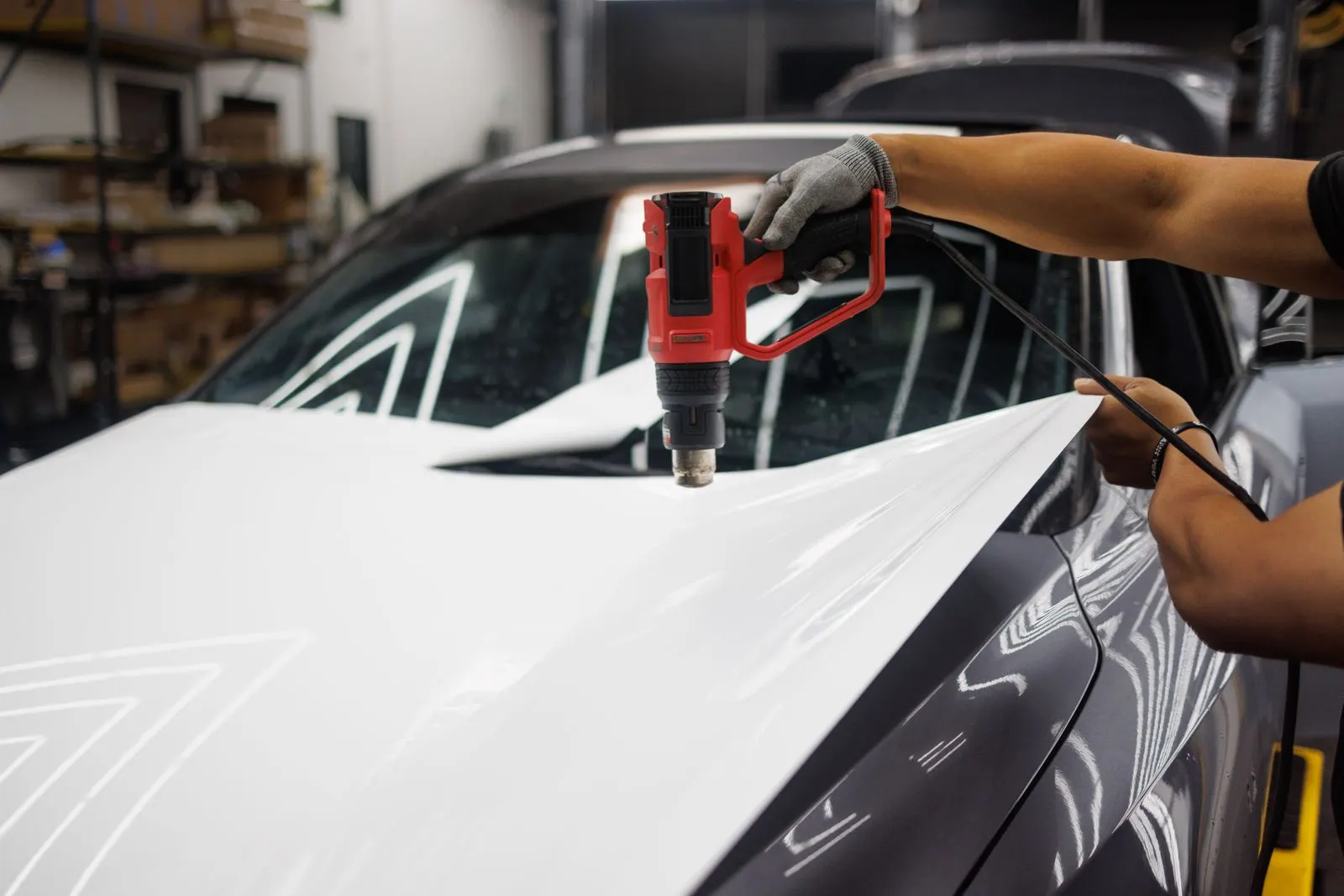
Car glass curves in two directions. Stiff, thick film has a harder time following the curve, especially on the rear windshield, and it takes better heat-shrinking skills. A thicker sheet can also be harder to handle in tight corners. This is reasoning from the material's properties; how hard it really is depends on the film and the installer.
Thicker also usually means more material, so a higher price. Paying extra for something that doesn't serve your needs is money spent in the wrong place.
Installing two layers to get "double the thickness" also calls for caution. According to an article in the Bao Ha Tinh newspaper, two layers mainly cut light transmission and carry a risk of trapping heat. So you trade visibility for a feeling of reassurance.
When is thick film worth the money?
The table below covers the cases car and home owners ask about most.
| Need | Is thickness worth it? | What to look at |
|---|---|---|
| A cooler car | Not the main factor | TSER at the same VLT |
| Holding glass together when it breaks | Yes | Thickness, test standard, adhesive |
| Home glass near walkways, small children | Yes | Safety film, frame anchoring |
| Protecting paint from stone chips | Yes | PPF, TPU quality, top coat |
| Less glare, privacy | No | VLT, VLR |
The table is a relative assessment by use case, not a ranking of products or brands.
Safety film for home windows is its own topic, especially in high-rise buildings and on balcony railings: film is not structure, and you need an engineer's advice when the glass has a safety role. Options for home glass are on the architectural window film solutions page.
PPF: thickness is a different story
On PPF, mil is the number at the top of the page, and this time it really is relevant. PPF has multiple layers, a self-healing top coat, and its thickness is measured in mil. The material takes stone chips with its own body.
But don't read the mil figure alone. Two PPF films of the same thickness can differ a lot in TPU quality, top coat and color stability. And most PPF data is sales material, with little meaningful independent testing, so we don't give any mil figure as "enough". A thicker film is also harder to stretch around curved edges and sharp body lines, which means the installer's hands decide part of the result again.
If you are weighing PPF for a new car, the article PPF for a new car goes deeper into that decision.
What should you ask about thickness at the shop?
For automotive window tint, one question is enough: "What does the thickness do for what I need?" If the answer is "it's cooler", ask to see the TSER.
For safety film, ask whether the thickness is given in mil or µm, which test standard it meets, and whether it will be anchored to the frame. For PPF, ask what the base layer is, what the top coat is, and whether the thickness includes the liner. That last question sounds small, but careful spec readers should ask it, because a number without a clear scope is hard to compare.
Next steps
Write down your real goal first: a cooler car, safety, or paint protection. That goal decides whether thickness matters at all. See the product categories on the products page or ask VEGO through the contact page.